Premise and Structure
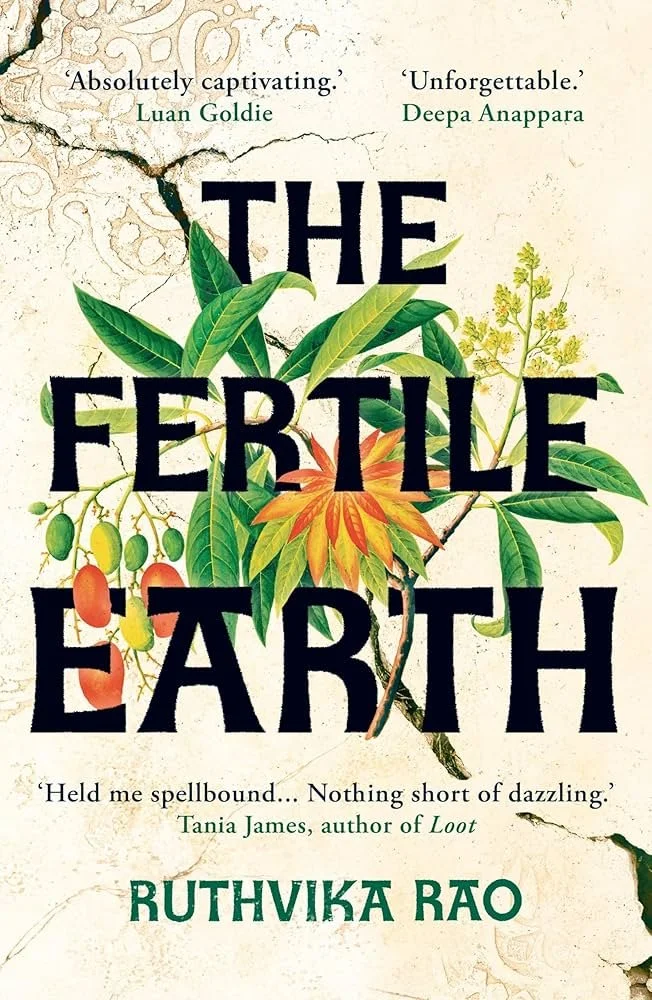
"The Fertile Earth" is a debut novel by Ruthvika Rao, set in a small town in southern India. It's structured with a very brief opening section set in 1970, when something thrilling and violent has just occurred, before the novel moves backward in time to 1955 and gradually builds back up to that opening moment. It follows a village and two sets of siblings: two daughters from a very wealthy and powerful local landowning family that presides over the entire village and serves as its main employer, and two brothers, sons of a single, working-class mother. The four children form a real connection and friendship, each with very distinct personalities, especially around a dramatic early episode when a man-eating tiger is on the loose in the surrounding jungle, prompting them to take it upon themselves to track it down and hunt it. Something very dramatic occurs in the course of that hunt, with repercussions that follow them for the rest of their lives.
Consequences and Change
The novel is about the long-standing consequences of that formative episode, but more broadly about the sweeping changes taking place in India during this period. It follows two of these four children in particular, one of the boys and one of the girls, as they grow and change over the years, influenced by major political events occurring in the country, moving through very different experiences and environments, including the universities they travel to, as the country shifts from a more feudal, caste-driven system toward a different way of organizing society and government. Communist-inspired revolutionary groups are active during this period, and the novel traces the violent upheavals and major alterations to the social structure that follow, and how these characters become entangled in, or are affected by, the consequences of these groups' actions, both personally and within their families and wider community. There's also romance running through the story, and family secrets that surface as it goes on.
Atmosphere and Craft
What's immediately striking about this novel is how atmospheric and sensory-driven it is. It hits every sense: Rao's descriptions of the community, the vivid colors of the orchard, the surrounding jungle landscape, but also its smells and the taste of its fruit, are so vivid and clear that they made the reading experience genuinely pleasurable on a purely sensory level. That same finely detailed quality extends well beyond the village itself, into the wider environments these characters move through as adults, including the universities they attend. Alongside that, the novel delves into these characters in their full complexity, and to feel the challenges that emerge in their relationships with each other as time passes and political and revolutionary events keep intervening in their lives.
Verdict
This is such a rich and involved story, so atmospheric and finely detailed, that I became completely wrapped up in it and genuinely, emotionally connected to the journey of these characters. It's a really fantastic debut novel, and a genuinely powerful, very special book that was such a pleasure to read.