First Impressions
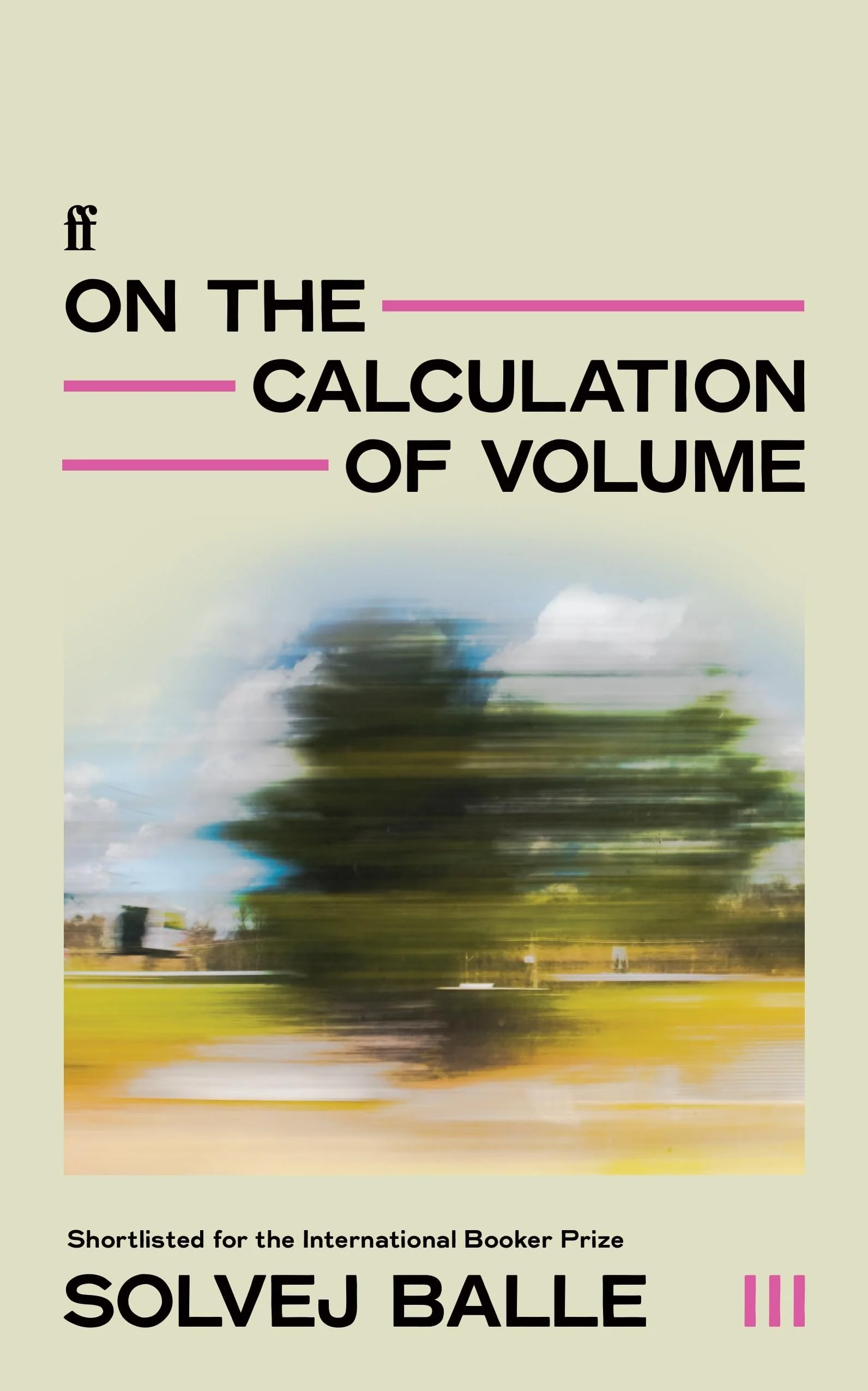
I want to give my thoughts on book III without spoilers, since this continues the journey of Tara as she’s caught in a time loop while the same day in November repeats itself. I’ve followed this story across the two previous volumes of Book I and Book II. I read this while visiting my parents’ home which felt strangely appropriate as I naturally reflected on my childhood and revisited places I knew so well growing up. So much of this book is about the process of memory, the weight of it, and the way our relationships to other people, and to objects, change over time even as our subjective sense of the world tells us things will largely stay the same.
The Plot Moves On
This third instalment does progress the story, and there's a real sense of momentum. Tara is still ageing within the loop even as the wider world resets around her each day, and the book keeps exploring the mechanics of that situation: how objects disappear or persist, what changes and what doesn't. All of that is genuinely interesting, but as with the previous two books, it still feels less about the mechanics of the time loop itself and more about what it reveals about our relationship to time, space, and other people.
Tara and Thomas
The section I found most touching was Tara revisiting her husband, Thomas, who isn't caught in the loop with her. He simply lives the same day over and over as if it had never happened before, unaging, essentially frozen. Tara, meanwhile, has aged considerably and had countless new experiences; she's become a genuinely different person from who she was. I love how the novel uses this to explore the dynamics of long-term relationships and how partners change, sometimes at wildly different rates. It reminded me of how that plays out even in ordinary relationships, where one person starts to shift and grow while another is content and wants things to stay exactly as they are, and how much conflict that mismatch can generate.
There's something almost eerie about how the book renders Thomas: he becomes like a photograph or a video looping on repeat. Tara still feels a strong connection to him, but because she keeps changing and he doesn't, that connection inevitably shifts too. I found this such a poignant way of thinking about how we look back on old photographs or memories and can slightly idealise the person and the relationship we were in at the time, while the passage of time gives us a more objective view than the intensity of the subjective experience allowed for in the moment. Watching Tara try to reconnect with Thomas while she keeps ageing and changing is genuinely moving.
A Different Register
The book also traces how Tara's relationship to the physical world shifts as she notices sounds and details she wouldn't have paid attention to before, the way we're all usually too caught up in our own heads to notice everything around us, except that her circumstances force that attentiveness on her. The novel introduces several new characters here too, each with a strikingly different perspective on what's happening and on where the world is generally headed, some more optimistic, some more pessimistic, and I liked how that underlines how differently people navigate both their own existence and the larger state of things.
This volume was translated by different translators than the first two books, Sophia Hersi Smith and Jennifer Russell, and I'm not entirely sure why the change happened, but it did shift the tone slightly. The prose here felt a bit more clipped and direct than in the earlier books, though still just as readable, engaging, and thought-provoking.
A Series Worth Starting at the Beginning
As with the second book, this is very much not a place to start the series. There's a lot of assumed knowledge here, and honestly I'm glad the book doesn't pause to re-explain everything for new readers, since that kind of throat-clearing can get laborious across a series. But it does mean I'd recommend starting with book one rather than jumping in here. I still find myself wondering whether these need to be published as separate volumes at all, since they're each fairly short and could plausibly have worked as one longer book, though Balle is still writing further instalments in Danish that haven't been translated yet, so there's something nice about following the series as it comes out in something close to real time. It’d be lovely if there will eventually be a big omnibus edition once the whole thing is complete.
Verdict
This was a genuinely moving, meditative reading experience, made all the more resonant by my own circumstances at the time: travelling back to see my family, hearing old stories, revisiting familiar places, and tasting dishes I hadn't had in a long while since living away from America. I'm looking forward to continuing with this series. If you've read this book, or you're following the series as it comes out, I'd love to hear your thoughts in the comments.